Researcher Dr Laurie Parsons investigates how extreme heat caused by climate change is impacting workers in the global supply-chain in Cambodia.
“Do too much, for too long at a high temperature, and you die,” says Dr Laurie Parsons, a human geographer studying how our changing climate is impacting society.
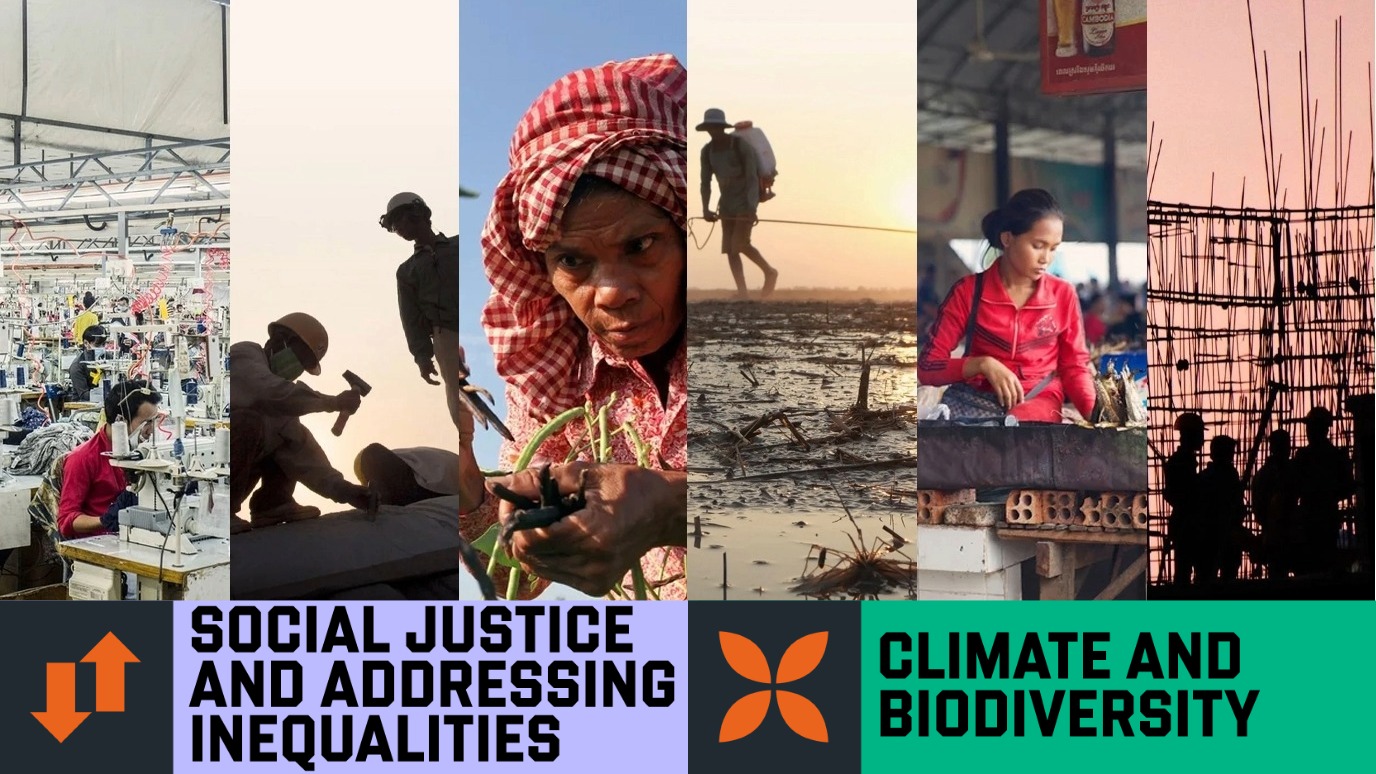
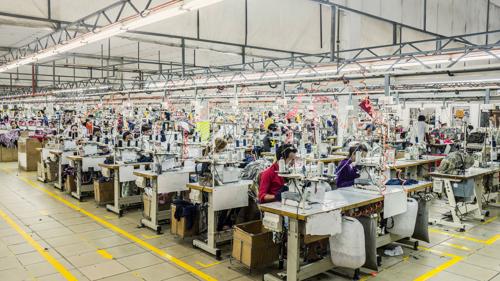
Climate change is raising temperatures and causing increasingly severe heatwaves around the world, especially in the less economically developed countries of the Global South, where heat is impacting workers in the industries that fuel global production. Laurie’s current project, ‘Oppressive Heat’, is identifying those most at risk from climate change by examining the effects of high temperatures on real people. He is focusing on Cambodia, one of the hottest, most humid countries on the planet and currently on the UN’s list of ‘Least Developed Countries’. The research looks at workers in construction, factories, agriculture and those working informal roles like street food sellers.
“We want to find out what happens at a human level when the temperature gets too hot,” says Laurie.
The impact of high temperatures
The hotter it gets, the harder it is to work, but the health risks are not felt evenly across all jobs. For the socially disadvantaged, who often work in lower paid roles, there’s a much greater chance of experiencing higher temperatures at work and suffering related health problems. “No one works at extremes all the time, but what happens when you work where temperature levels are too high, too often?” says Laurie, from the Department of Geography.
Lab tests show that heat stress causes the body to start shutting down, affecting organs such as your heart, lungs and kidneys. The kidneys are especially vulnerable because of water lost through excessive sweating. People doing physical jobs in hot environments face a greater risk of developing kidney problems and disease.
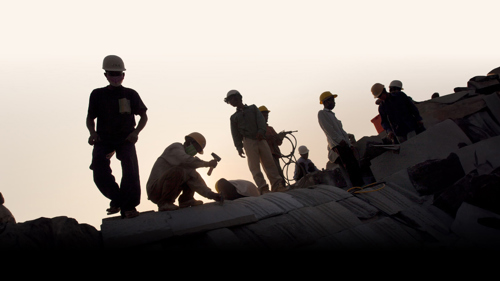
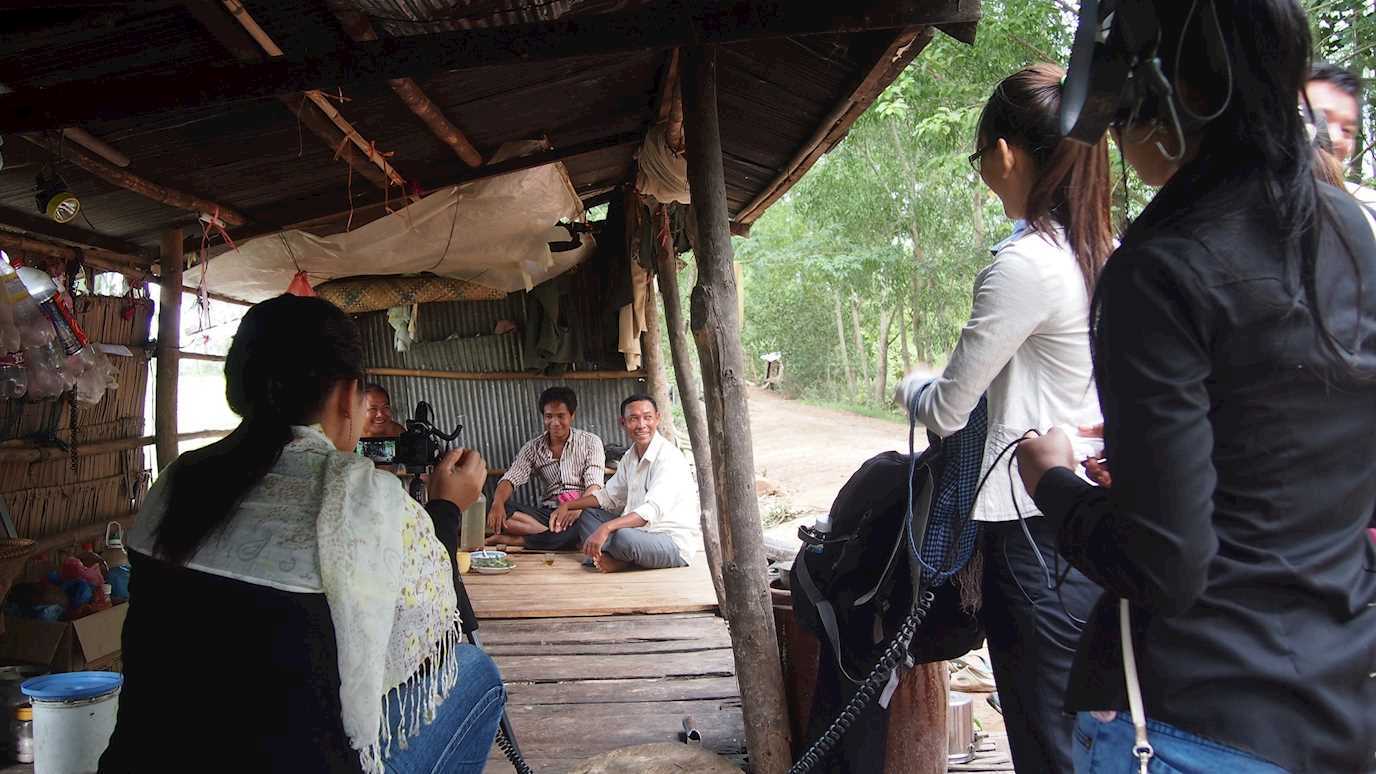
To investigate, Laurie conducted a large-scale study on 2,500 construction workers in different roles across Cambodia. Using new, lightweight and wearable technology he measured workers temperatures throughout the day as they did regular tasks, allowing him to track how the body’s core temperature was affected as the temperature rose. This is the first time Laurie has worked with first-hand health data through his partnership with the Wellcome Trust.
“We’re gathering real-world data, telling us what happens to different bodies in real situations,” he says.
His findings, combined with earlier studies across different working environments, show a clear socio-economic difference for those suffering in higher temperatures, with the disadvantaged affected more.
He also tested the construction workers’ blood and urine to check kidney functions to back up his findings. “If the results continue as expected, Cambodia will be one of only three to four places in the world where we know kidney disease is endemic – where a huge proportion of the working population have the disease. And if it’s happening there, it will also be happening elsewhere.”
Putting research into action
Revealing hidden problems within the networks that link into this ‘Global Factory’ and uncovering the inequalities in how different sectors of society experience the impacts of climate change, is what gets Laurie up in the morning. But for him, research is not the endgame; he wants to make change happen.
“Uncovering this data means we can do something about it,” he said.
He sees his work as bridging the gap between different fields and bringing people together to address the effects of climate change. “We’re hoping the Oppressive Heat project will show a completely new way of understanding the problems climate change can cause, demonstrate the severity of the issue and reinterpret how we understand health under climate change.” The goal is to influence industry policy and media narratives and help provide solutions.
He's seen this work previously, collaborating with major apparel brands and agricultural organisations, where his findings led to changes being implemented that helped reduce harm to the workers they employ. He’s also partnered with journalists to amplify his message, including an exposé for Vice World News on garment factories using illegally deforested wood to make steam to iron clothes, and a front page spread for Politico linking modern slavery with international brick supply chains.
“I want to minimise the distance between academic research and the field, bring my work into the ‘real-world’ beyond the ivory tower and make a difference. I’m really excited about developing methodologies one day, then taking them out into the world and using them to tackle and resolve urgent problems.”
His next project, Hidden Sand, will see him work with physical geographers in Cambodia and Vietnam to investigate the environmental and social impact of extracting river sand used for the world’s construction industry. The project will challenge the long-term sustainability of this practice by demonstrating the environmental devastation it causes and the effects on the communities that make the riverside their home.
Hero image credits: 1-Garment factory, Sangkat Chaom Chao, Cambodia. Photograph: UN Women Cambodia/Charles Fox | 2 - | 3-Sunday Market, Phnom Penh, Cambodia. Photograph: Victor Wong | 4-Construction workers on a building site in Siem Reap, Cambodia. Photograph: Alamy Stock Photo | 5 - | 6 -
Discover more from our academics:
Return to our Research in Focus page to uncover more exciting research happening at Royal Holloway, University of London.
Research in focus