From Hollywood strikes to viral deepfakes, AI has become a flashpoint topic in the creative industries. At Royal Holloway, two researchers are helping students navigate this complex terrain — each from a distinct vantage point.
AI Brain tech image, AI and New Technologies and Culture and Creative Banner
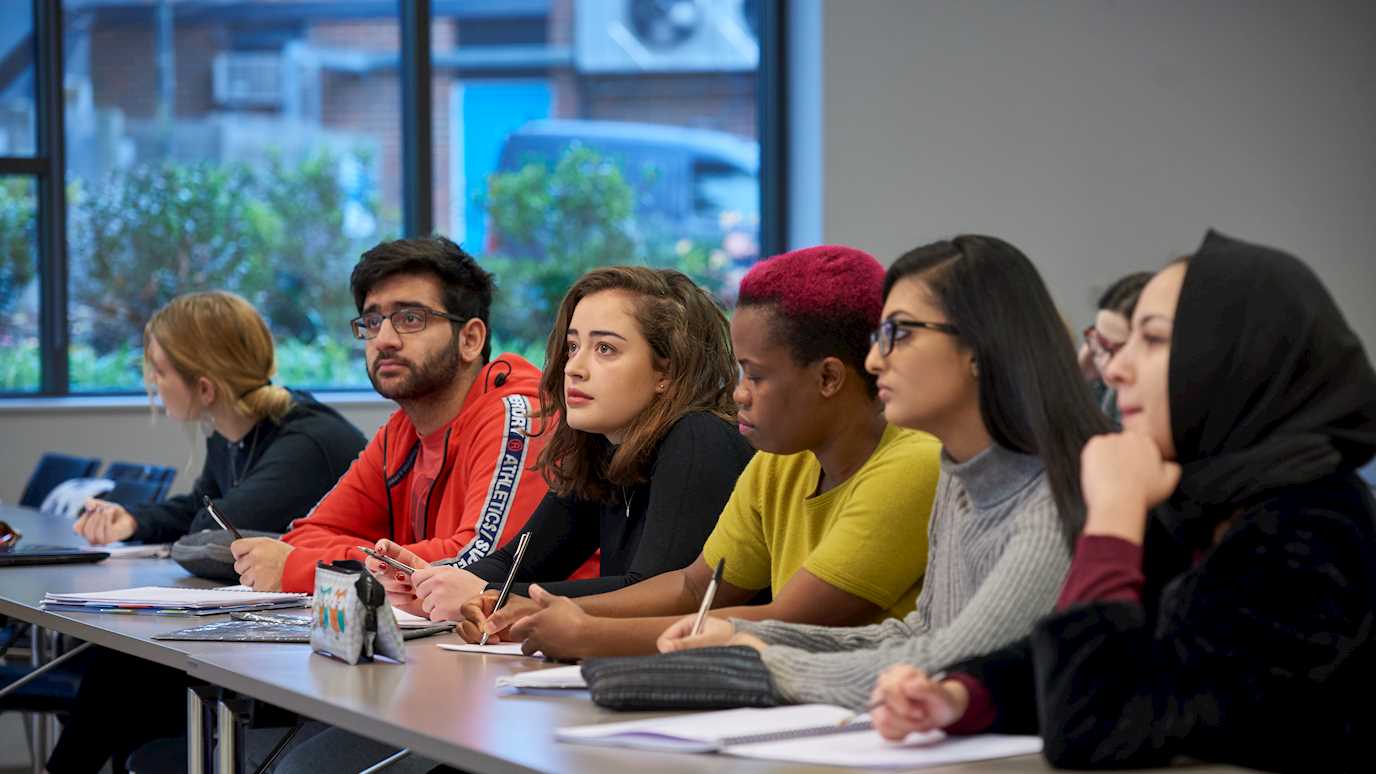
When a group of students walked out of an early lecture on artificial intelligence, it wasn’t because the material was too technical; rather, it was because they were offended by the concept of AI becoming embedded in the creative process. The module explores how AI is reshaping creative practice and identity. The walkout was a stark reminder that AI provokes strong, often conflicting reactions, especially among those whose work is rooted in human artistic expression.
From Hollywood strikes to viral deepfakes, AI has become a flashpoint topic in the creative industries. At Royal Holloway, two researchers are helping students navigate this complex terrain — each from a distinct vantage point.
Chris Hogg: AI as a creative companion
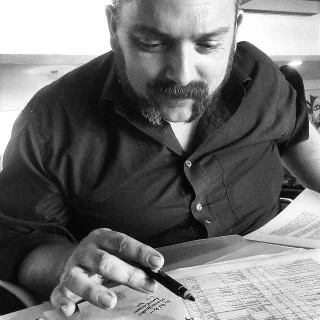
Chris has long straddled the line between technology and creativity. With a background in tech companies and a passion for media arts, he brings a pragmatic optimism to the classroom. He’s been working closely with students to help them understand their own creativity in the age of AI, and to see these tools not as threats, but as extensions of their artistic toolkit.
“AI is here to stay,” Chris says. “So the question becomes: how do we shape its use in ways that reflect our values as artists and thinkers?”
Chris believes that generative AI will become part of everyday creative life, and that students should be equipped to use it ethically and effectively. He encourages them to explore AI as a just one of many tools in a writer’s toolbelt, while still remaining alert to the legal and moral questions surrounding training data and authorship.
Olga Goriunova: AI and the Illusion of the digital self
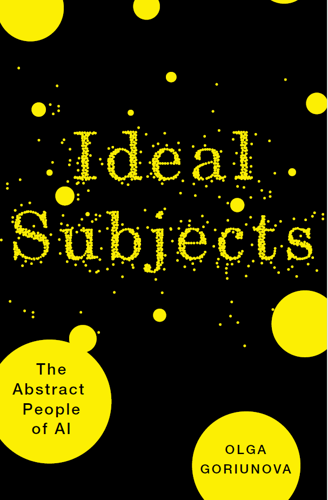
Olga approaches AI from a more critical perspective. Her research, which began when these systems were still called ‘machine learning algorithms,’ focuses on how AI constructs and manipulates digital identities. Her forthcoming book, Ideal Subjects: The Abstract People of AI, delves into the concept of the ‘digital self’ — the idea that AI-generated profiles or outputs can be mistaken for authentic representations of a person.
Olga is particularly interested in how people relate to these AI-created personas, sometimes seeing them as more accurate or revealing than their real-world selves. It raises profound questions about agency, subjectivity and perception in the digital age.
In her teaching, Olga encourages deep, sometimes challenging conversations about the ethics of data collection and the existential impact of AI. She has found that many students are eager to engage — and their insights have helped shape her research. “One student used this beautiful phrase; she said, ‘young people are craving profiling’. So [corporations] are using different kinds of assessments and some of them are quite old, psychometric assessments, but some at least pretend or want to use more AI based, more personalised technology.”
“AI doesn’t just replicate creativity,” Olga notes. “It reshapes how we understand ourselves and each other.”
While the debate over AI in the arts continues to rage, Chris and Olga offer students two distinct ways of thinking about these technologies. One is hopeful, one more cautious — but both are grounded in a commitment to critical inquiry. Their work reflects the broader challenge facing creatives today: how to navigate a future where machines can mimic, mirror, and even redefine what it means to be human.
Return to our Research in Focus page to uncover more exciting research happening at Royal Holloway, University of London.
Research in focus