For more than 30 years, the Greenhouse Gas Research Group has been at the forefront of climate science, investigating the sources of methane emissions and working towards reducing their impact on global temperatures.

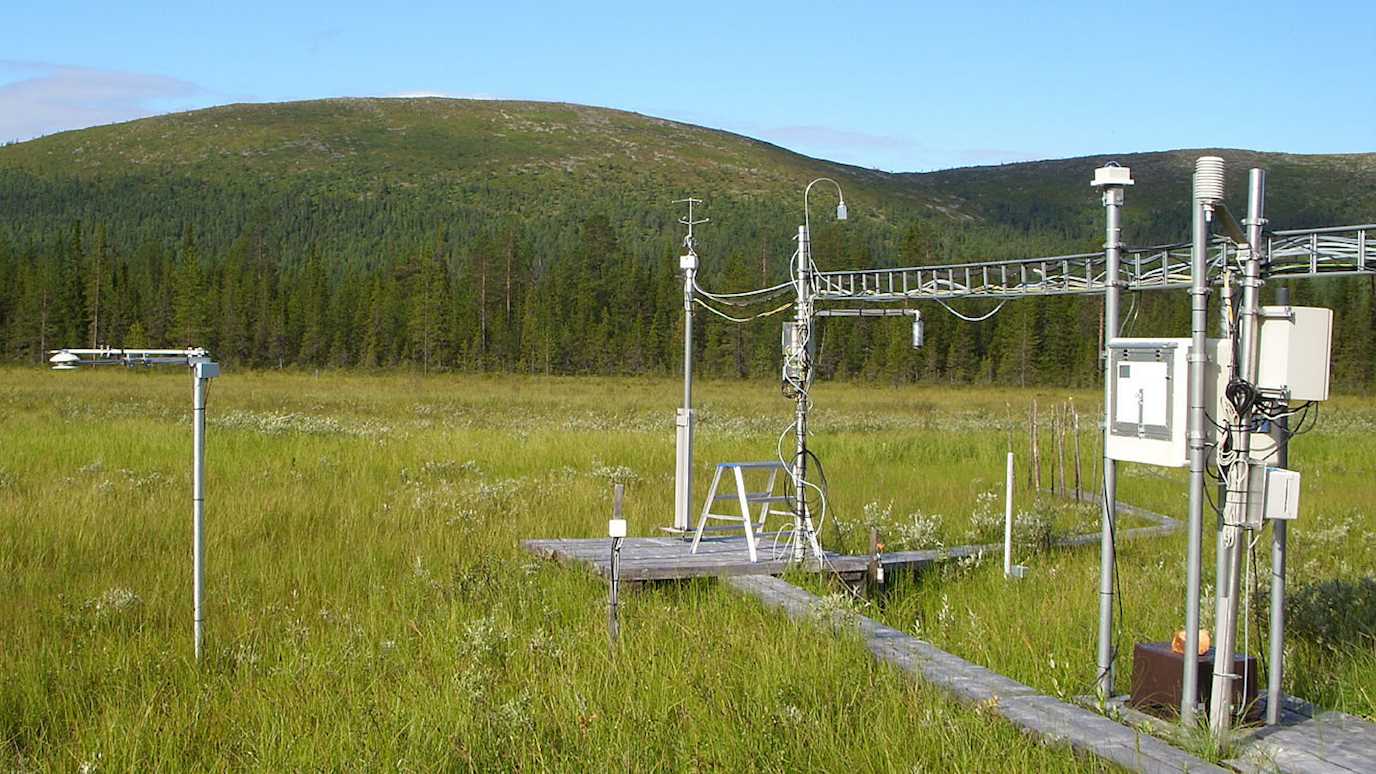
A farmer’s cattle barn in Devon; a ship on the Southern Ocean; a busy Glasgow street; a rooftop in Surrey; and downwind of a bio-gas facility – these are among the sites where Royal Holloway’s Greenhouse Gas Research Group (GGRG) collect air samples. They’re tracking gas levels in our atmosphere, focusing on investigating methane sources and reducing its impact on the Earth’s climate.
Methane is the second most significant greenhouse gas after carbon dioxide, responsible for roughly a third of global warming since the industrial revolution, and levels are rising worldwide. Although it remains in the atmosphere for less than a decade, methane is over 80 times more effective at trapping heat than carbon dioxide, making it an important target for emissions reduction. The Global Methane Pledge (GMP), launched at COP26, is a collective effort by 159 countries to reduce global methane levels by 30% between 2020 and 2030.
“There’s so much we don’t know about global emissions, and so much potential to reduce them.”
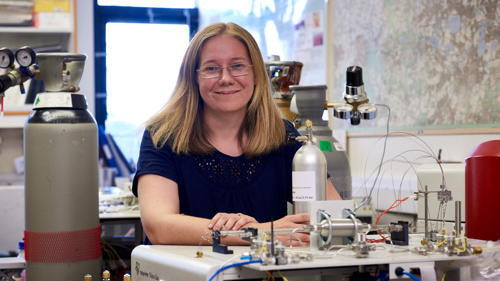
Dr Rebecca Fisher is an atmospheric scientist in the Department of Earth Sciences and works together with Dr David Lowry to lead the GGRG’s efforts to identify, analyse and manage methane emissions across the UK and beyond.
Sources of methane
“To reduce methane emissions, we first need to understand exactly where they’re coming from,” says Dr Lowry.
Methane is released when organic matter decomposes, whether from natural or artificial sources. By analysing the carbon atoms in methane molecules, researchers can identify the source, splitting between three categories – biogenic (cooler sources, such as wetlands, cows and landfill); thermogenic (natural gas and coal); and pyrogenic (hot sources such as burning of fossil fuels or forest fires). Tying together what they identify with local weather patterns and geographic information, they can then pinpoint methane sources.
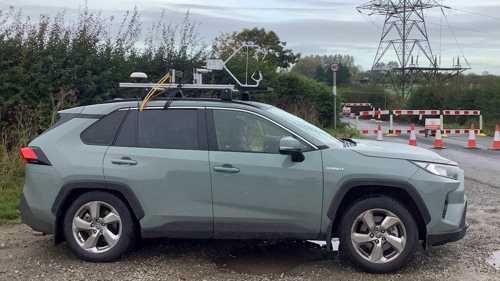
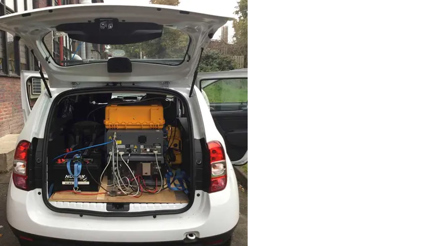
The group were one of the first worldwide to develop a mobile measurement capability – allowing them to monitor methane levels anywhere. Central to their recent work is their mobile lab MIGGAS - the ‘Mobile Integrated Greenhouse Gas Assessment System’ – a specially adapted car with inlets in the roof to gather air samples and a solar panel to boost the power supply for the onboard instruments. Researchers combine data from these samples with on-the-spot GPS and weather readings, producing accurate measurements wherever MIGGAS can drive.
The MOMENTUM project
“We’d built this fantastic facility, but then the question became, how best to use it” says Dr Lowry.
That question led to the creation of the MOMENTUM project. Standing for ‘Mobile Observations and quantification of Methane Emissions to inform National Targeting, Upscaling and Mitigation’ it’s pulling together all the strands of the group’s research and will highlight areas where improvements can be made to the UK’s National Emissions Inventory, which is submitted to the UN every year
The inventory is currently calculated using broad-scale measurements alongside companies’ self-reported emissions data. By comparing their fieldwork findings with the inventory’s database researchers are measuring and starting to count emissions from locations currently not identified by the inventory, helping to inform policy that mitigates against future risks.
Local and global reach
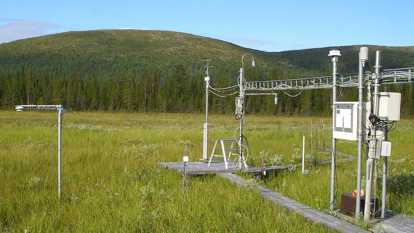
Due to the mobile nature of Rebecca and David’s lab – it fits in a car – they’ve been able to travel and measure methane all over the world. They’ve run campaigns in Kuwait and Vietnam, focusing on how landfill sites could reduce their emissions with better engineering; and collected air samples on the UK atmospheric research aircraft, including from offshore gas facilities in the North Sea. They also regularly receive air samples collected from the Arctic, Antarctic and Ascension Island to monitor and track global methane levels.
Their efforts have yielded surprising revelations, especially in cities. In London alone, they found over 950 methane leaks from surveying only 30% of the road network. “We can identify a leak within about 10 metres with our equipment,” says David, “which allows for more targeted repair work that doesn’t shut down a whole city street while the gas company tries to find the source of the leak.” In Glasgow, they found a previously unidentified gas leak producing “the same emissions as 500 cows”.
In addition to MOMENTUM the current UK-based projects of the group include:
- BeefTwin, an interdisciplinary project between universities examining beef farming.
- A project investigating landfill emissions for the Department for Environment, Food & Rural Affairs (DEFRA).
- Work with Queen Mary, University of London to investigate the growing biogas industry, which currently lacks strong emissions regulation.
Rebecca has also been called by a House of Lords committee to discuss agricultural methane emissions as an expert witness.
Looking ahead
The team have now added hydrogen measurements to their toolkit. While hydrogen is not a greenhouse gas, the way it interacts in the atmosphere can have an impact on methane and global warming. It also has potential to be used as a store for energy created by renewable sources such as wind turbines. Rebecca is working with a master's student to refine equipment to be added to MIGGAS for tracking hydrogen.
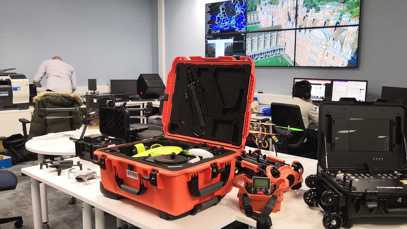
The group are also developing drone-based measurement systems, tapping into the expertise offered by the Omnidrome facilities at Royal Holloway, to expand their mobile lab’s capabilities.
The GGRG’s work goes beyond data collection – it’s about making a difference. “One of the biggest problems we have is the way humans are changing the planet and the climate” says Rebecca, “doing research that helps reduce that is really important.” Building on the legacy of their founder Professor Euan Nisbet, Rebecca, David and the team are helping shape a future where methane emissions are not just measured but also reduced.
Discover more about Earth Sciences at Royal Holloway, University of London, via the links below or return to our Research in Focus homepage to uncover more fascinating research stories.
Research in focus