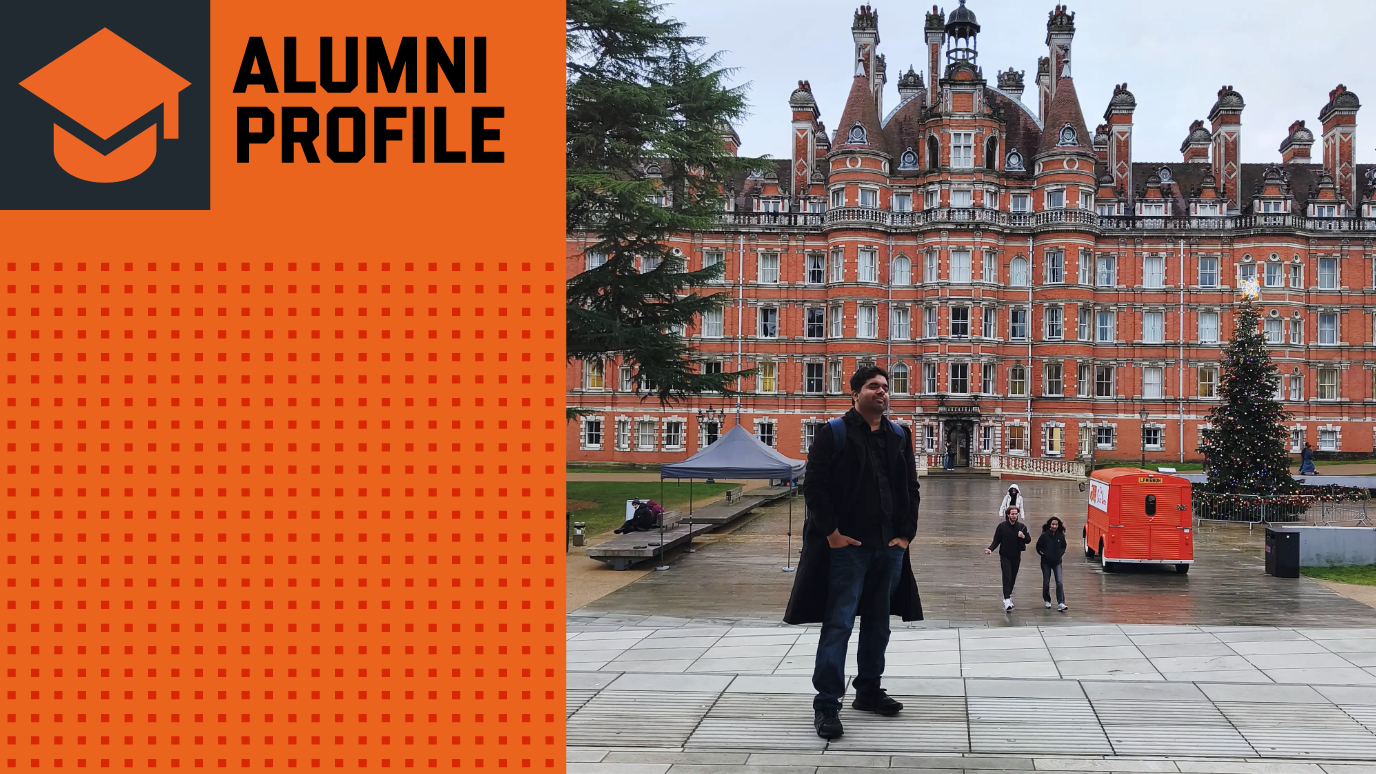
Professor Ben Markovits discusses his writing process, teaching methods, and the development of his Booker Prize-shortlisted novel, The Rest of Our Lives.
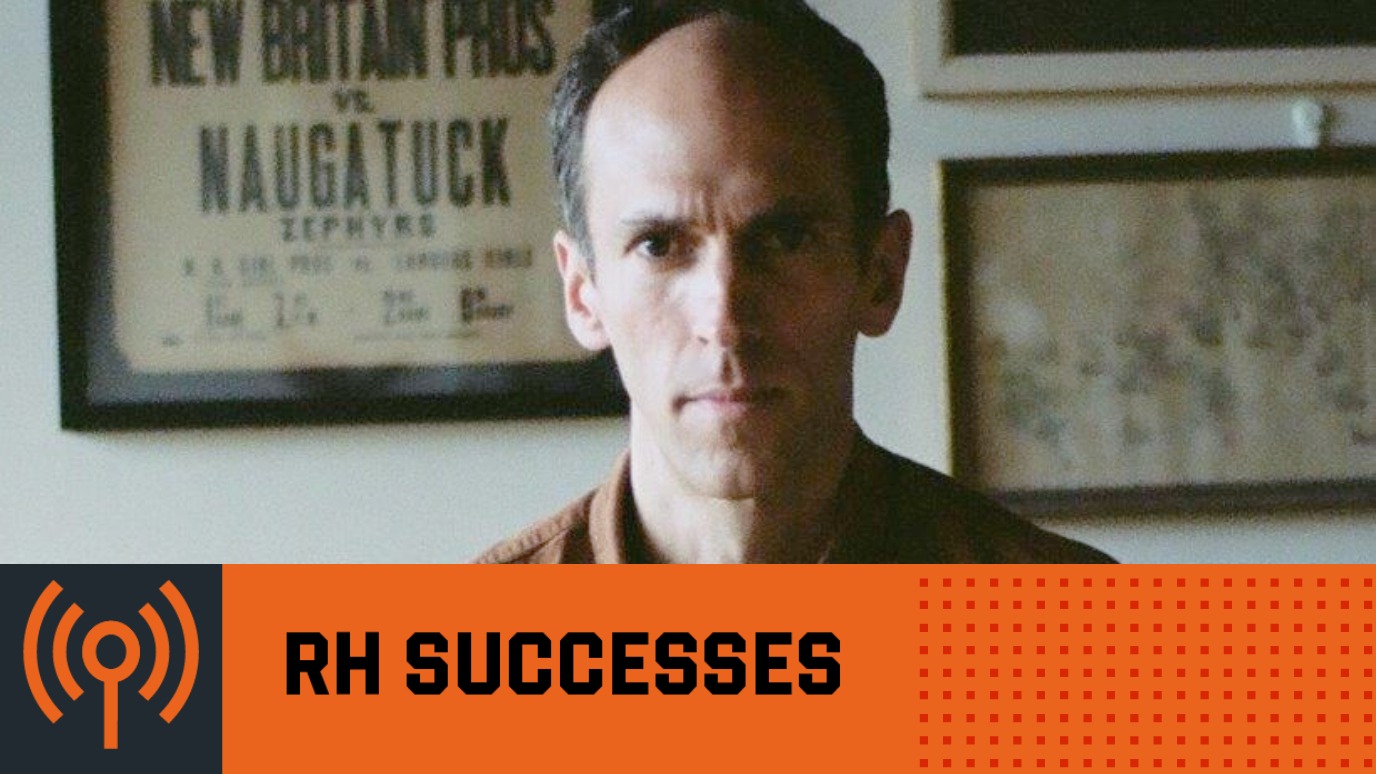
Professor Ben Markovits
The opening lines of Ben Markovits’ new novel came to him, more or less, out of the blue. “I was working on something else at the time when it just occurred to me, this story about a guy whose wife had had an affair when the kids were small, and he makes a deal with himself to stick out the marriage until the youngest leaves home.” He forgot about it for a while, and then, months later, when he’d finished the other novel, came back to see what he had written. Those few pages eventually led to his twelfth book and a place on the 2025 Booker Prize shortlist.
In The Rest of Our Lives, we join the protagonist, Tom Layward, as he drops his youngest daughter at university and then — almost without fanfare — drives away from his life. The Guardian describes what follows as a mid-life road trip, a journey taking him further away from his wife and through some of the human traffic of his past. Tom grades his marriage like a student essay: “If you have a C-minus marriage, it’s hard to score much higher than a B on the rest of your life.” It’s a metaphor Markovits finds both absurd and revealing. “I quite like writing about people, situations, emotional states which at the same time can seem both reasonable and kind of crazy. It’s a good starting point for fiction.”
The novel isn’t autobiographical, but it draws on themes that have long preoccupied Markovits, including family, identity, and the quiet dramas of domestic life. Born in the US to a German mother, he is one of five children and spent his childhood moving between America, Germany and the UK. “I was always the outsider; the kid who didn’t know where the school nurse was,” he says. That sense of displacement — and the intricate dynamics of large families — often finds its way into his fiction. “Intricate family interactions are what I grew up with. It’s what I know.”
Writing about what you know is something he often says to his students. “I ask them: what’s the thing that you know something about that a reader might be interested in hearing?”
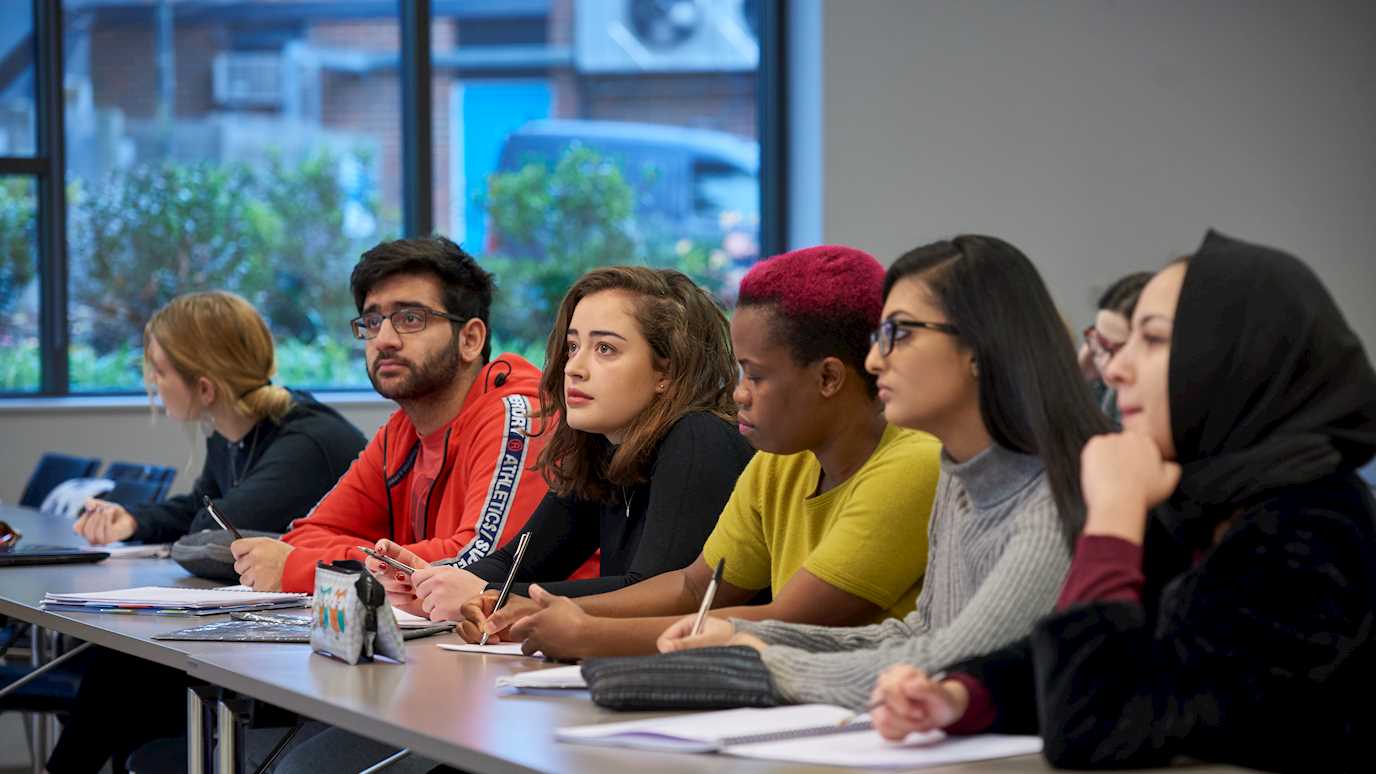
“It’s one of the pleasures of the job, getting to talk to a room full of 20-year-olds who belong to a different generation, with different experiences and knowledge of the world.”
Markovits has been teaching at Royal Holloway for almost two decades, and he speaks with real affection about his role. “It’s one of the pleasures of the job,” he says, “getting to talk to a room full of 20-year-olds who belong to a different generation, with different experiences and knowledge of the world.” For him, literature is a conversation — not just about texts, but about life. “Texts are arguments about what the world is like,” he says. “So when you sit around arguing about them, you’re really arguing about the world. And I like seeing how students react to stories on the page. You can learn a lot about people from how they respond.”
Teaching creative writing, he adds, also forces a kind of self-awareness. “You become self-conscious about your own habits and tastes and preferences, because you have to find a way of expressing them to others,” he says. “Sometimes it’s better for things to be left as instincts, but it’s your job as a teacher to articulate them.”
That tension — between instinct and articulation, between structure and spontaneity — is something Markovits also wrestles with in his own writing. He says that the process of writing a novel requires “a kind of obsession.” It typically takes him about two years to complete a book, and the drive to begin the next one often comes from a sense of incompletion. “There’s always something you felt you left out,” he says. “Something the story structure wouldn’t allow for in the previous book — and that makes you want to write another one.” He compares it to designing a house: “People have to live in the world you’ve created. And once you move in, you start adjusting things, because it’s not quite right.”
Writing, he says, is less about inspiration than it is about routine. “People think writing is about imagination, words, sophistication — and it is.” But, he says, it’s also about consistency. “If you sit down and write for three hours a day — assuming you have the kind of life that permits that — that’s a good day’s work. But concentrating for three hours can be hard so one of the chief skills is setting up routines.”
Markovits’s literary influences are wide-ranging. He cites John Updike’s Rabbit series — “an account of what happens to America over 30 or 40 years” — as a touchstone, along with the domestic realism of Anne Tyler and the psychological depth of Alice Munro. Though he didn’t set out to emulate them, their work resonates with his own interest in the emotional texture of everyday life.
Yet he also describes himself as having acquired “a kind of English sensibility” over the years. Though most of his fiction is set in America, his literary education — like many Americans — was steeped in British literature. “I spent a lot of time at university reading ‘angry young men’ novels, mostly about working-class northerners trying to get away,” he says. “And I grew up reading writers like Larkin, Benjamin, Robert Graves, Byron and the Romantics.”
Despite being shortlisted for one of the most prestigious literary prizes in the world, Markovits is modest about the accolade. “It feels like a lottery — a bit of luck,” he says. “It’s a hard business to enter, and a hard business to persist in. But one of the consolations of being a writer is that you don’t need anyone else’s permission to do it. You can just sit down and write.”
Over the years, Markovits has seen the literary landscape shift — especially with the rise of the internet. But he doesn’t keep close tabs on the literary world. “I sit at home, I write, I see the kids, and sometimes I go in and teach,” he says with a shrug. “I’m not really in the business.” Still, he occasionally reviews books — a habit that helps him stay connected to what’s being published. “It’s a helpful way of getting into it,” he says, “because you have to work out what you think.”
Now, with The Rest of Our Lives out in the world, Markovits is already working on the next novel. “The older I get, the more I like writing,” he says. “Maybe I’ve just become more habit-dependent — and it’s one of my habits.”
The winner of the 2025 Booker Prize will be announced on Monday 10 November. Until then, we wish Ben the very best — and look forward to seeing where the next road trip takes him.